
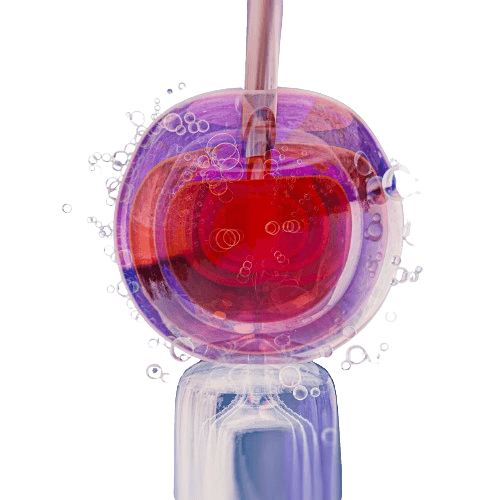
Transvaginal Oocyte Retrieval - TVOR
Transvaginal oocyte retrieval (TVOR) is a minor surgical procedure that collects mature eggs from ovarian follicles after stimulation in an IVF cycle.
It is performed under ultrasound guidance using a thin needle passed through the vaginal wall into each follicle to aspirate the fluid containing oocytes.
The procedure is brief, safe, and essential for successful IVF fertilisation.
Overview And Clinical Background
Precision egg collection for IVF success
TVOR is timed precisely after ovarian stimulation and trigger injection to capture oocytes at the optimal stage of maturity.
Performed under mild sedation, it takes about 20–30 minutes, after which patients rest for a short period before discharge.
Symptoms, Signs And Presentation
Candidates are women undergoing IVF following ovarian stimulation.
The procedure is not symptomatic but may cause mild abdominal pressure or discomfort from enlarged ovaries.
Diagnosis Methods And Investigations
Monitoring for accurate retrieval timing
Accurate monitoring ensures optimal egg maturity at retrieval.
Hormone tracking and ultrasound follicle measurements determine the trigger and retrieval schedule.
Treatment Options And Surgical Techniques
TVOR uses a transvaginal ultrasound probe equipped with a fine aspiration needle to puncture follicles and collect oocytes.
The aspirated fluid is handed immediately to the embryologist for egg identification and processing.
Recovery, Risks And Prognosis
Recovery from TVOR is typically rapid.
Mild pelvic pain or bloating is common for 1–2 days.
Complications like infection or bleeding are rare when performed under sterile, ultrasound-guided conditions.
Why Choose Us
CureU Healthcare ensures precision-based egg retrieval through high-resolution ultrasound, experienced reproductive specialists, and aseptic lab protocols.
Our seamless coordination between stimulation, retrieval, and embryology maximizes fertilisation outcomes.
Conclusion
Transvaginal oocyte retrieval is a safe, efficient procedure forming the cornerstone of IVF.
When timed and executed correctly, it ensures maximum egg yield and quality, paving the way for successful fertilisation and pregnancy.