
Thallium Test- Nuclear Stress Test
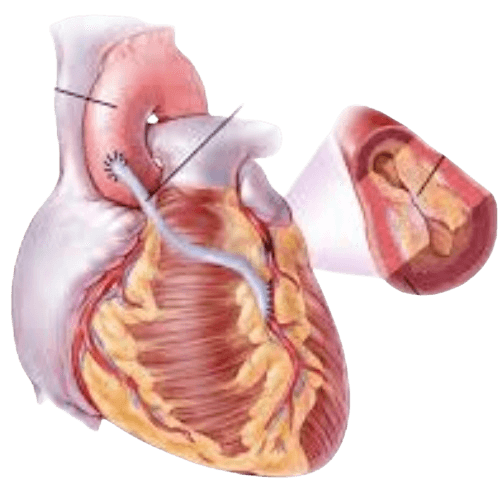
The Thallium Test, also known as a Nuclear Stress Test, assesses heart blood flow under stress and rest conditions.
A small amount of radioactive tracer (thallium or technetium) is injected into the bloodstream.
A gamma camera captures images to identify areas of reduced perfusion, helping diagnose coronary artery disease early and accurately.
Overview And Clinical Background
The Thallium Test provides functional information about how well the heart receives blood during stress and rest.
It helps evaluate coronary artery disease, previous heart attacks, and treatment response.
Symptoms, Signs And Presentation
This test is often recommended for patients with chest pain, breathlessness, or suspected coronary artery disease.
It helps determine the heart’s oxygen supply under physical or pharmacological stress.
Diagnosis Methods And Investigations
Nuclear Imaging And Stress Monitoring
The test involves two image sets — one during stress (exercise or medication-induced) and one at rest.
Differences indicate blocked or narrowed coronary arteries.
Treatment Options And Surgical Techniques
The test itself is diagnostic and does not involve treatment.
Based on results, doctors may recommend lifestyle changes, medication, or interventions like angioplasty.
Recovery, Risks And Prognosis
Patients can resume normal activity shortly after.
Risks are minimal, with mild fatigue or dizziness occasionally noted.
The test offers vital insight for personalized cardiac care.
Why Choose Us
CureU Healthcare offers advanced nuclear imaging and expert cardiologists for precise Thallium Test interpretation.
We ensure comfort, safety, and accurate diagnosis for every patient.
Conclusion
The Thallium Test is a powerful, non-invasive method to assess heart blood flow.
It helps detect blockages early, guiding timely and effective cardiac care.