
Autologous Bone Marrow Transplant
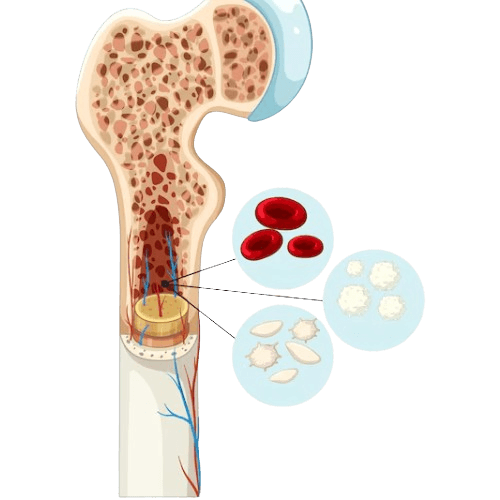
An autologous bone marrow transplant is a procedure in which a patient’s own stem cells are collected, preserved, and re-infused after intensive chemotherapy or radiation therapy.
It’s primarily used in treating blood cancers like multiple myeloma and certain lymphomas.
The key benefit is lower risk of rejection and graft-versus-host disease since the patient’s own cells are used.
Overview And Clinical Background
Restoring marrow function using self-derived stem cells
Autologous transplants are indicated for malignancies responsive to high-dose chemotherapy where marrow recovery would otherwise fail.
Collected stem cells are stored frozen, then thawed and reinfused after chemotherapy destroys diseased marrow.
This accelerates recovery and restores hematopoiesis.
Symptoms, Signs And Presentation
Patients undergoing autologous transplant typically have underlying cancer or marrow-suppressive illness.
Pre-transplant symptoms include fatigue, anemia, and effects from prior therapies.
Post-transplant, temporary pancytopenia and infection risk are expected until engraftment.
Diagnosis Methods And Investigations
Pre-transplant assessment and eligibility testing
Comprehensive evaluation ensures disease control and organ fitness.
Cardiac, hepatic, and renal assessments are essential, alongside infectious disease screening.
Collected stem cells are tested for viability and contamination before cryopreservation.
Treatment Options And Surgical Techniques
The procedure involves mobilizing stem cells from marrow into blood using growth factors, collecting them via apheresis, and freezing them.
After conditioning chemotherapy, cells are thawed and infused intravenously.
Supportive care ensures recovery during marrow reconstitution.
Recovery, Risks And Prognosis
Engraftment usually occurs in 10–14 days.
Recovery involves temporary fatigue, neutropenia, and mucositis, but long-term immune function stabilizes in months.
Risks include infection, bleeding, or disease relapse, but survival outcomes are favorable in well-selected patients.
Why Choose Us
CureU Healthcare’s hematology team provides advanced apheresis, cryopreservation, and infection-controlled transplant units.
Personalized conditioning and 24x7 supportive care optimize safety and outcomes.
Conclusion
Autologous bone marrow transplant remains a vital, curative approach for various hematologic malignancies—offering renewed marrow function and improved quality of life without donor-related risks.