
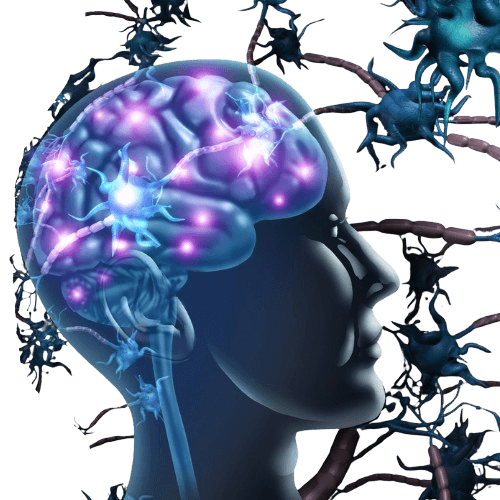
Autism - Stem Cell Therapy
Stem cell therapy for autism is an emerging regenerative approach designed to enhance neurological and behavioral outcomes in individuals with autism spectrum disorder (ASD).
The treatment works by modulating inflammation, improving neuronal connectivity, and supporting neurovascular repair using either the patient’s own stem cells (autologous) or carefully matched donor cells.
Though still under research, controlled and ethical clinical use in specialized centers aims to reduce core symptoms like social withdrawal, repetitive behavior, and speech delay.
Overview And Clinical Background
Cell-based modulation for neurodevelopmental improvement
Stem cell therapy seeks to address underlying neuroinflammatory and immune dysfunctions associated with autism rather than merely controlling symptoms.
By introducing regenerative cells capable of releasing growth factors and modulating the immune response, it encourages a healthier neural microenvironment.
Autologous stem cells derived from bone marrow or umbilical cord are commonly used under strict clinical supervision.
Symptoms, Signs And Presentation
Children with autism often present with impaired communication, repetitive behaviors, social withdrawal, or difficulty processing sensory input.
While these are neurodevelopmental in origin, supportive therapies and regenerative care can complement behavioral interventions.
Diagnosis Methods And Investigations
Multidisciplinary diagnostic framework
Diagnosis of autism is clinical and based on behavior, speech, and developmental patterns.
Stem cell therapy requires thorough assessment to rule out contraindications and confirm candidacy.
Evaluations include neuropsychological testing, brain imaging, immune markers, and sometimes metabolic screening.
Treatment Options And Surgical Techniques
Stem cells are harvested (usually bone marrow aspiration or cord blood collection), processed in sterile conditions, and administered intravenously or intrathecally.
The procedure is minimally invasive and performed under anesthesia with full safety monitoring.
Post-infusion rehabilitation and behavioral therapy are vital to maximize cognitive gains.
Recovery, Risks And Prognosis
Most patients recover quickly after infusion with minimal side effects like mild fever or fatigue.
Improvements may appear gradually over weeks to months.
Risks include infection, transient immune reaction, or headache post-intrathecal delivery.
Long-term outcomes depend on baseline severity, therapy integration, and multidisciplinary follow-up.
Why Choose Us
CureU Healthcare ensures strict adherence to safety and ethical standards in regenerative therapies.
Our hematology and neuro-rehabilitation team provides end-to-end care—from screening and cell preparation to long-term monitoring—ensuring a holistic, evidence-informed approach.
Conclusion
Stem cell therapy for autism represents a hopeful adjunct to behavioral and supportive therapies.
While research continues, carefully selected patients may achieve measurable improvement in social, cognitive, and emotional domains under expert supervision.